Try searching for chandelier, coffee table, or wall sconce

Lighting

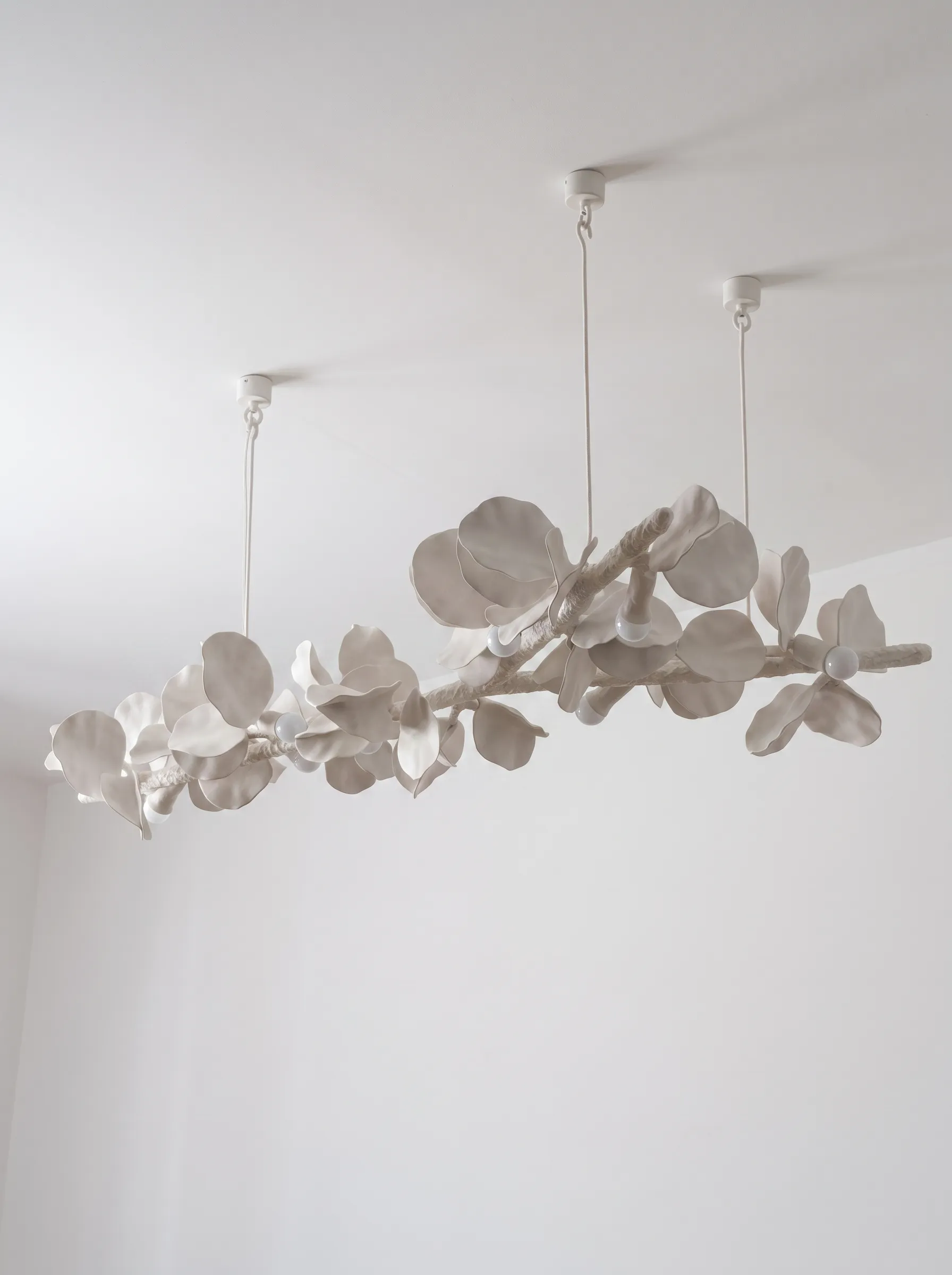
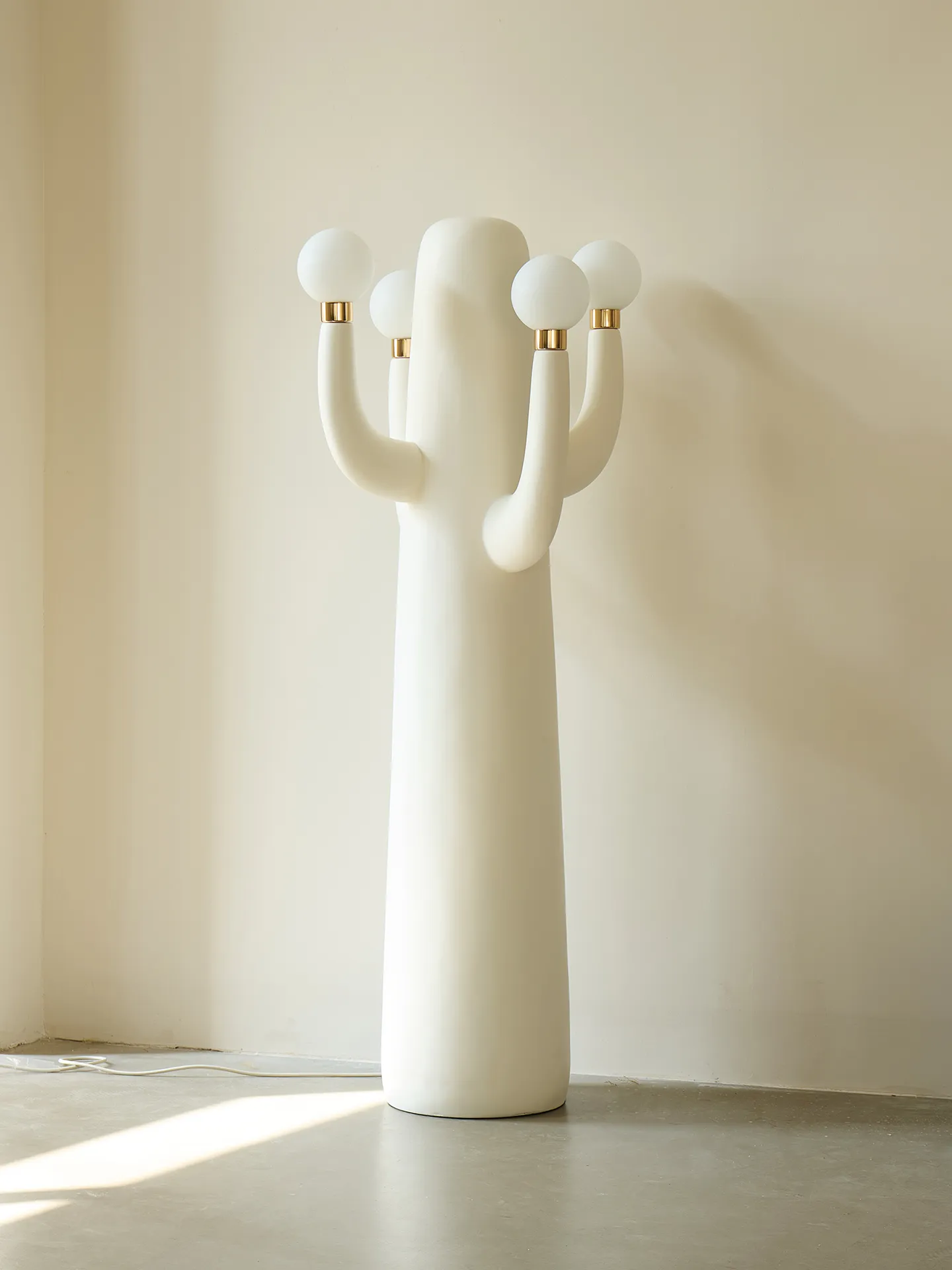
Original pendant lights, chandeliers, wall sconces, table lamps, and floor lamps by NUMBO. Hand-forged metals, blown glass, and natural materials — each lighting design handcrafted in our 4,500 m² Zhongshan facility for hotels, residences, and commercial interiors worldwide.

Lighting sets the tone for every space. At NUMBO, our lighting collection represents 16 years of manufacturing expertise distilled into original designs that balance form and function. From statement chandeliers that anchor a grand lobby to subtle wall sconces that warm a residential corridor, each fixture is engineered in our 4,500 m² Foshan facility and finished by hand.

We work directly with interior designers, architects, and procurement teams worldwide — offering factory-direct pricing, custom dimensions, and bespoke finishes through our Custom Program. Whether you are specifying for a boutique hotel or a private villa, our lighting collection adapts to your vision. Explore our five sub-categories below, or contact us for custom solutions.
16+ Years Manufacturing Experience
4,500 m² Own Factory in Zhongshan
500+ Projects Delivered Worldwide
100% Original Design

Learn More About NUMBO

How to Choose the Right Lighting

Choosing the right lighting involves five key decisions: fixture type, material, finish, scale, and layering strategy. Here is a practical guide to help you specify with confidence.

1. Identify the Fixture Type

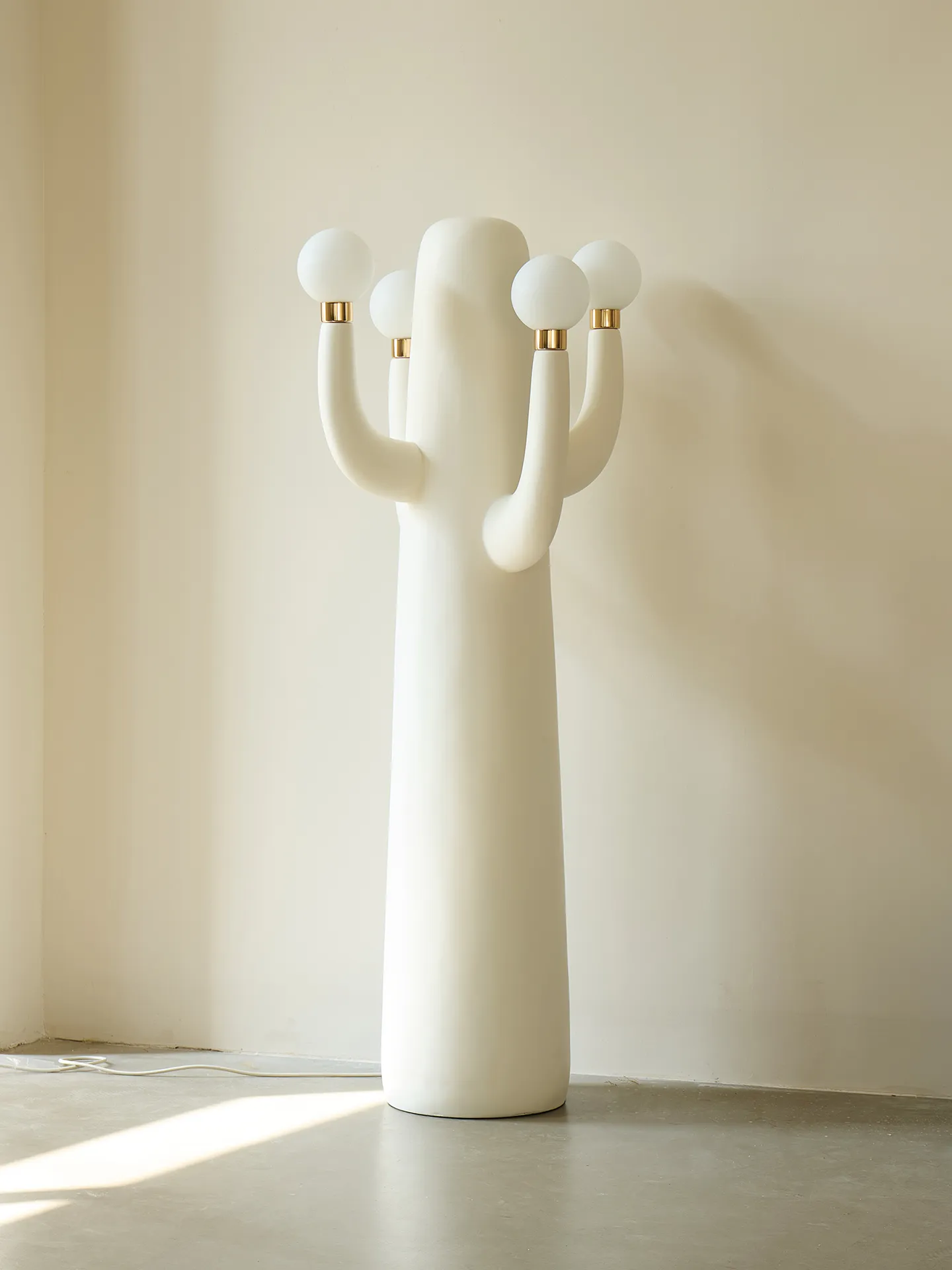
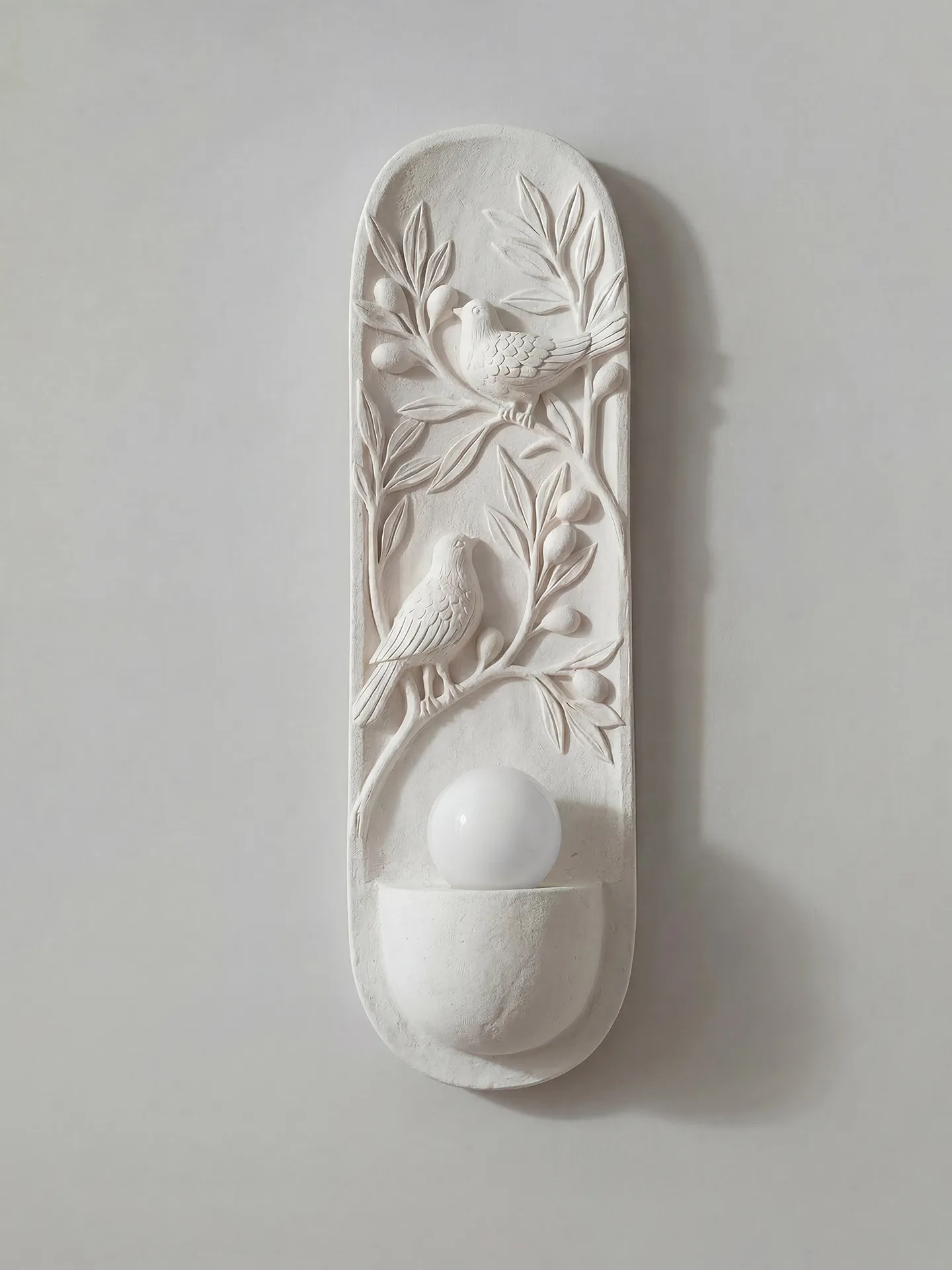
Each fixture type serves a distinct purpose. Chandeliers & Pendants provide ambient overhead illumination and serve as focal points in entryways, dining rooms, and lobbies. Wall Sconces offer accent and task lighting along corridors, staircases, and bedside positions. Ceiling Lights deliver general illumination for rooms with lower ceiling heights. Table Lamps add localized task lighting and visual warmth to desks, side tables, and consoles. Floor Lamps provide flexible ambient or reading light that can be repositioned as needed.

2. Select the Material

Material choice affects both aesthetics and durability. Brass and bronze develop a warm patina over time, ideal for residential and hospitality settings. Iron and steel offer structural strength for larger fixtures. Glass — whether clear, frosted, or textured — controls light diffusion. Natural materials like rattan, wood, and stone bring organic warmth. For high-humidity environments such as bathrooms, specify corrosion-resistant finishes like brushed nickel or powder-coated aluminum.

3. Choose the Right Finish

Finish coordinates with other hardware and furnishings in the space. Popular options include aged brass, matte black, brushed nickel, antique copper, and polished chrome. For projects with multiple fixture types, maintaining a consistent finish family creates visual cohesion. NUMBO offers over 20 standard finishes, and our Custom Program can match any specified color or texture.

4. Get the Scale Right

An oversized chandelier in a small entryway overwhelms; an undersized pendant above a dining table looks lost. General guidelines: for chandeliers, add the room length and width in feet — the sum in inches gives the ideal diameter. For pendants above tables, the fixture width should be roughly one-half to two-thirds the table width. For wall sconces, mount at eye level (approximately 60 inches from the floor) with 8–10 feet between units.

5. Plan Your Lighting Layers

Professional interiors combine three layers: ambient (general illumination), task (focused light for activities), and accent (highlighting art, architecture, or features). A well-designed room typically includes at least two of these layers. Start with your primary ambient source, then add task and accent fixtures to complete the composition.

Trade Program & Custom Solutions

Are you an interior designer, architect, or procurement professional? NUMBO’s Trade Program offers exclusive trade pricing on bulk orders, priority production scheduling, a dedicated project manager, and custom finish & dimension options through our Custom Program.

Frequently Asked Questions