2026 Interior Trends: Natural Materials & Organic Forms in Modern Spaces
Every few years, the interior design pendulum swings. What was once considered dated becomes desirable again, and what was trendy starts to feel tired. In 2026, the direction is clear: designers and homeowners are moving toward spaces that feel grounded, tactile, and unmistakably human.
Here are four trends shaping interior design this year — and why they matter for anyone who cares about the spaces they live and work in.
Trend 1: Natural Textures Over Polished Surfaces
The era of high-gloss everything is fading. In its place: raw, tactile surfaces that invite touch. Think unglazed ceramics, hand-carved wood, nubby linen, and stone with visible grain. These materials do not look perfect — and that is exactly the point.
This trend is driven by a broader cultural shift toward authenticity. People are tired of spaces that look like showrooms. They want homes that feel lived-in, warm, and real. Natural textures deliver that feeling because they carry the evidence of their making — the tool marks, the material variation, the slight irregularities that prove a human was involved.
In practice, this means choosing a hand-textured wall panel over a smooth painted wall. Selecting a ceramic vase with visible finger marks over a machine-perfect one. Placing a raw-edged wooden console table in the entryway instead of a lacquered replica.
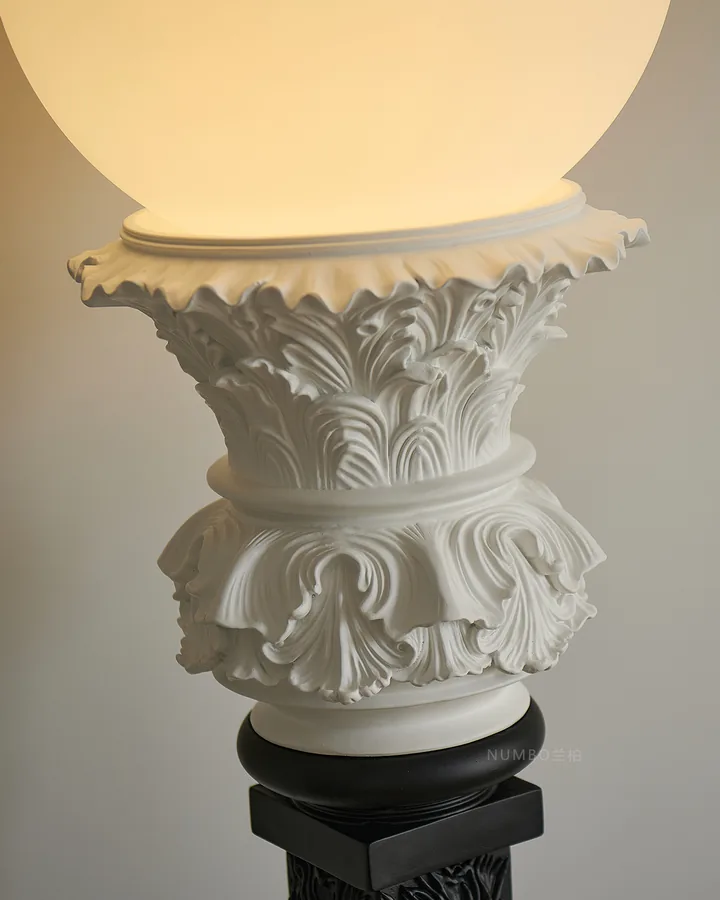
The NUMBO studio has always worked in this direction. Every piece in the tabletop décor collection carries the texture of the maker’s hand — because it was made that way, not manufactured to look that way.
Trend 2: Organic Shapes and Curved Forms
Straight lines are giving way to curves. Rounded sofas, arched mirrors, oval tables, and sculptural lighting with flowing, biological forms are everywhere in 2026 design publications.
The appeal is psychological. Curves feel softer, safer, more welcoming than sharp angles. In a world that feels increasingly angular and digital, the home becomes a place where people seek organic comfort. This is not just an aesthetic choice — it is an emotional one.
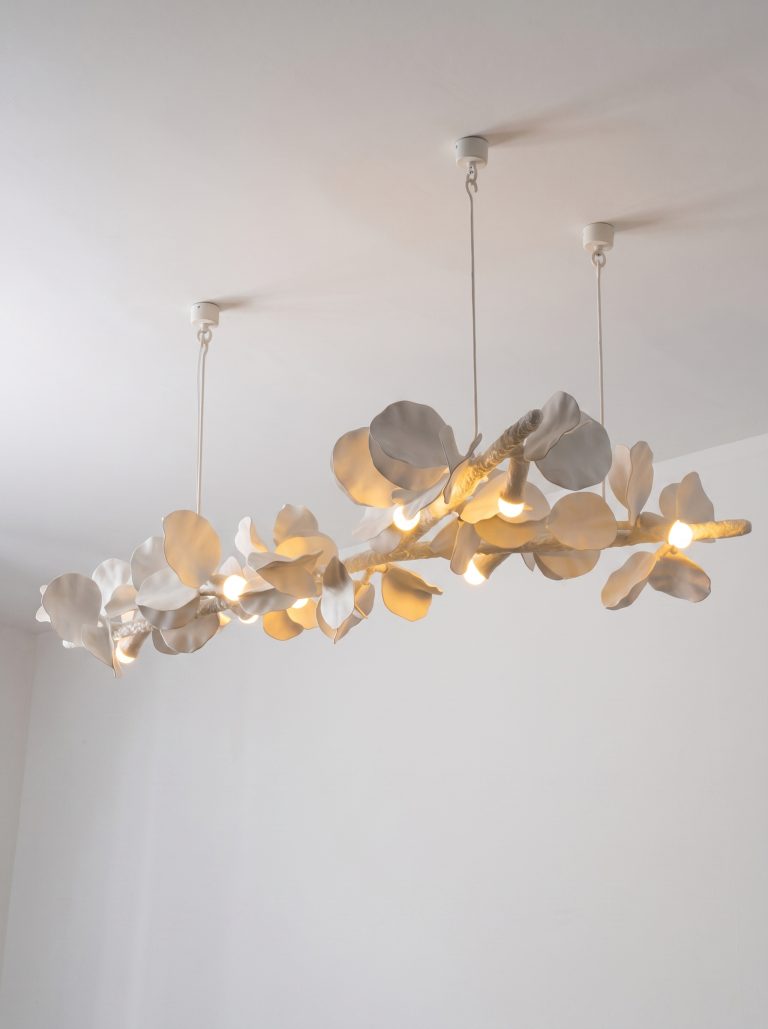
The trend shows up most clearly in lighting and mirrors. Pendant lights with trefoil or clover-shaped diffusers soften the quality of light while creating visual interest. Arched mirrors replace rectangular ones above consoles and in entryways. Coffee tables with rounded edges feel more approachable in a living room setting.
This direction aligns with a deeper shift in how people think about furniture and décor. The pieces that get attention in 2026 are not the ones that look the most expensive — they are the ones that feel the most alive.
Trend 3: Warm Neutrals and Earth Tones
Cool grey is out. Warm beige, terracotta, sage green, and soft ochre are in. The 2026 color palette draws from the natural world — the colors you see in stone, clay, dried grass, and aged wood.
This shift has been building for several years, but it has now become the dominant direction. Designers are choosing palettes that feel calm and grounded. The goal is a space that feels like a retreat — somewhere that lowers your heart rate when you walk in.
Warm neutrals also work beautifully with natural materials. A cream-colored wall with a hand-carved wood console and a terracotta vase creates a composition that feels cohesive without being designed to match. The colors belong to the same family — the earth.
For lighting, this trend means warm-toned finishes: brushed brass, aged gold, matte cream, and soft bronze. Cool chrome and polished nickel are losing ground to finishes that feel warmer and more handmade.
Trend 4: Handcrafted Uniqueness
Perhaps the most significant trend of 2026 is the growing demand for pieces that are clearly handmade. Not machine-made to look handmade — actually crafted by human hands, with the variation and character that implies.
This is a reaction against mass production. When everyone has access to the same catalog of furniture, the desire for something different becomes stronger. Handmade pieces carry a story: who made them, where, how. That story adds value that no amount of marketing can fabricate.
Buyers are asking different questions now. Instead of “how much does it cost?” they are asking “who made this?” and “where does it come from?” This is a fundamental shift in how people evaluate home décor — and it favors studios that keep craftsmanship at the center of their process.
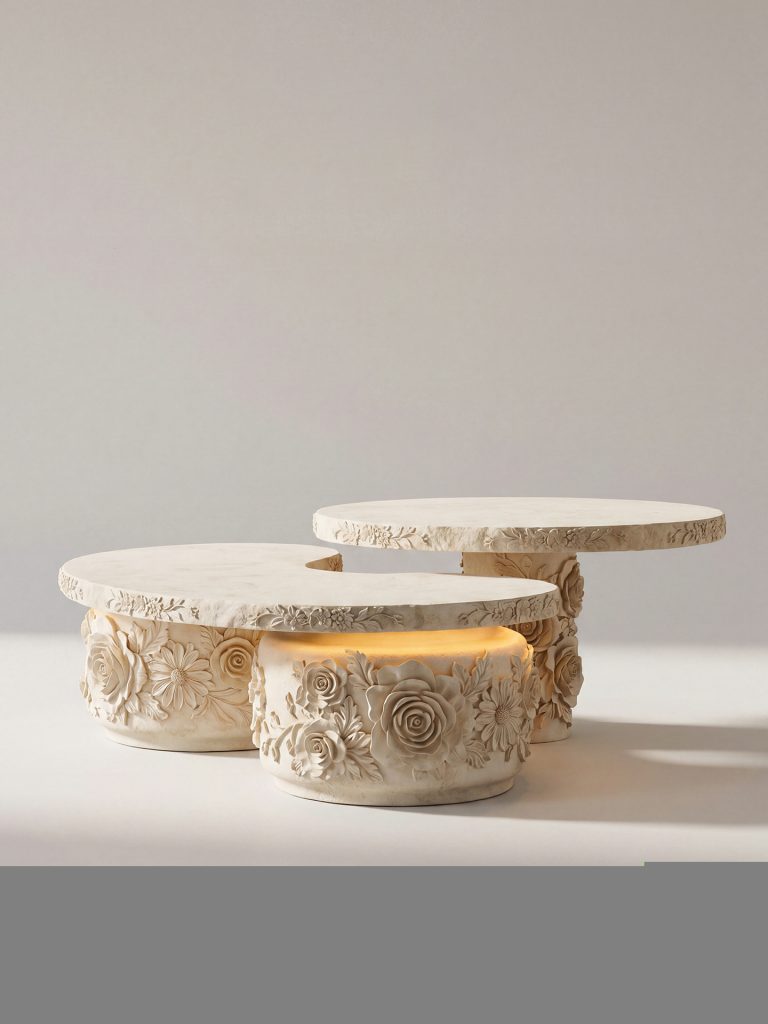
NUMBO’s furniture collection reflects this trend directly. Each piece is hand-sculpted in the studio, shaped in clay before it is ever cast, and finished by hand in the factory. The result is a collection that feels distinct — not because it is unusual, but because it is real.
What These Trends Mean for Your Space
If you are designing a space in 2026 — whether a hotel lobby, a retail store, or your own living room — the direction is clear: choose pieces that feel human, natural, and considered. Prioritize texture over perfection. Select warm tones over cool ones. Invest in craftsmanship over quantity.
These are not just trends. They represent a lasting shift in how people think about the spaces they inhabit. The mass-produced, the synthetic, and the generic are losing ground to the handmade, the natural, and the original.
Explore the full NUMBO collection at lighting, furniture, and tabletop décor — all designed in-house and hand-sculpted in our own factory.
Interested in NUMBO Original Design?
Whether you're furnishing a single room or an entire hospitality project, our team can help you find pieces that resonate. Trade inquiries welcome.
Get in Touch